Aircrew Parachute Harness/Pack – Vulcan & Victor Crew Seats: Military Flight Crew Equipment
Aircrew Parachute Harness/Pack – Vulcan & Victor Crew Seats: Military Flight Crew Equipment
Blog Article
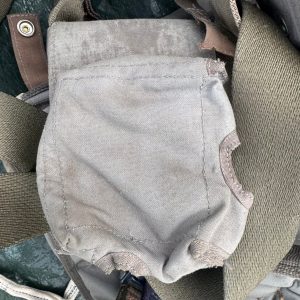
The Aircrew Parachute Harness/Pack – Vulcan & Victor Crew Seats combines historical aviation interest, crew-seat integration potential, harness construction, and emergency-equipment significance.
An Aviation Parachute Harness provides the structural connection between the wearer and a compatible parachute system, while a Pilot Parachute Harness must fit correctly and correspond with the intended equipment configuration.
The Aircraft Emergency Parachute Harness and related Aircrew Safety Harness, Flight Crew Parachute Harness, Emergency Parachute Harness, and Military Aircrew Harness keywords help connect the product with aviation collectors and specialists.
A Parachute Harness Assembly should not be represented as complete when critical straps, fittings, packs, connectors, release components, or identification labels are missing.
An Aviation Safety Harness, Flight Parachute Harness, and Aircraft Parachute Equipment listing should distinguish between operationally inspected equipment, untested historic material, display-only components, incomplete assemblies, and parts items.
Historic Vulcan and Victor Crew-Seat Equipment
The offered harness and pack should be identified through visible labels, part numbers, contract markings, manufacturer information, dates, inspection stamps, and known aircraft-seat relationships.
Photographs should show the front, rear, sides, webbing, buckles, attachment points, pack, labels, stitching, hardware, and areas of wear.
Aviation Parachute Harness Construction
A complete inspection should examine both obvious wear and less visible age-related deterioration.
Original thread can lose strength even when the stitch pattern remains visually intact.
Choosing a Pilot Parachute Harness
An aged harness should not be worn or adjusted forcefully when webbing, buckles, or fittings may be fragile.
Missing keepers, retainers, pads, straps, or adjustment pieces can affect completeness and appearance.
Evaluating Historic Escape Equipment
Operational claims should never be made without current specialist inspection and applicable documentation.
Unknown alterations should be recorded rather than removed immediately.
Maintaining Aircrew Harness Equipment
An Aircrew Safety Harness may serve as part of a parachute, restraint, escape, survival, or crew-seat equipment system depending on its exact design.
Proper storage protects the Aircrew Safety Harness and reduces further deterioration.
Flight Harness Preservation
The listing should note webbing color, flexibility, staining, fraying, stitching, hardware condition, labels, odor, storage marks, repairs, and missing parts.
Transparent information strengthens trust among buyers of Flight Crew Parachute Harness equipment.
Parachute Webbing Condition Checks
Every strap should be followed from end to end while checking webbing, stitching, folds, attachment areas, fittings, and labels.
Metal fittings should be checked for rust, pitting, cracks, distortion, sharp edges, frozen movement, and plating loss.
Collecting a Military Aircrew Harness
The combination of aircraft association, markings, configuration, condition, and documentation can influence historical and commercial value.
Support points should distribute weight without stretching aged webbing or stressing fittings.
Crew-Seat Escape Equipment
Seat design, parachute pack, harness connections, release mechanisms, crew procedures, aircraft configuration, and survival equipment may all interact.
Connections intended to interface with a crew seat should be photographed and measured carefully.
Evaluating Assembly Completeness
A pack exterior does not prove that a canopy, pilot chute, deployment components, or internal equipment remain present.
A detailed inventory can increase the commercial value of an incomplete Parachute Harness Assembly.
Military Crew Survival Gear
One serviceable-looking component does not establish the condition of the complete crew-safety system.
Conservation should prioritize reversible methods whenever practical.
Choosing Aircrew Survival Components
A harness/pack associated with Vulcan or Victor crew seats can contribute to research into military cockpit equipment and emergency procedures.
Claims read more about operational readiness should require current professional evidence.
Evaluating Historic Parachute Systems
A Pilot Emergency Parachute System includes more than a harness because the pack, canopy, deployment equipment, connections, fit, inspection status, and operating procedures all matter.
Responsible handling protects the Pilot Emergency Parachute System and its provenance.
Choosing an Aviation Safety Harness
Reversible display methods protect authenticity and long-term value.
Public displays should include clear information explaining the item’s aircraft association, approximate period, purpose, condition, and nonoperational status where appropriate.
Buying Historic Aircrew Equipment
An operational buyer requires entirely different inspection, certification, and system-compatibility considerations.
Price should reflect the complete evidence rather than aircraft-name keywords alone.
Crew-Seat Harness Compatibility
Aircraft Parachute Equipment should be matched through exact part numbers, aircraft type, crew position, seat model, connection method, and period-specific configuration.
Historic photographs and technical references can guide arrangement when available.
Military Aircrew Harness Buying Checklist
A pre-purchase review should confirm manufacturer, part numbers, dates, labels, aircraft or seat association, webbing condition, hardware, pack configuration, repairs, storage history, completeness, and documentation.
- Confirm all visible labels, part numbers, dates, contract markings, manufacturer information, inspection stamps, and claimed Vulcan or Victor crew-seat association.
- Do not treat clean appearance, original labels, or previous inspection stamps as proof of current operational suitability.
- Report shipping damage, missing parts, undocumented repairs, label differences, or undisclosed contamination promptly.
Long-Term Harness and Pack Care
Acidic cardboard, untreated wood, plasticizers, rubber, chemicals, and damp fabrics should not contact the equipment.
Routine monitoring supports long-term Aircrew Parachute Harness/Pack preservation.
Military Aviation Museum Display
Padded ties, archival supports, or reversible brackets may help maintain the display while avoiding permanent alteration.
Any reproduced or replacement components should be labeled clearly.
Protecting Aviation Safety Equipment
Polishing corroded hardware may damage plating or stain surrounding webbing.
An incomplete but authentic assembly may hold greater historical value than a heavily reconstructed example.
Final Thoughts on the Vulcan and Victor Harness Assembly
The Aircrew Parachute Harness/Pack – Vulcan & Victor Crew Seats can provide significant restoration, display, research, educational, and collector value when its identity, condition, completeness, and aircraft association are verified.
The strongest purchasing decision begins with confirming part numbers, manufacturer, production period, crew-seat relationship, webbing condition, stitching, hardware, pack contents, repairs, storage history, provenance, and intended sale status.
Whether the requirement is an Aviation Parachute Harness, Pilot Parachute Harness, Aircraft Emergency Parachute Harness, or Aircrew Safety Harness, individual condition assessment should guide the purchase.
With accurate identification, preservation-focused care, suitable environmental control, and careful interpretation, the assembly can remain an important military aviation artifact.
Report this page